Home
Industries
Oceans
Protecting our Oceans through Improved Visibility and Insight
Cutting-edge satellite imagery for mapping coral reefs, detecting fishing nets, marine animals or tracking illegal fishing, aiding in ocean conservation and sustainability.
Why should we protect our oceans?
Ocean cleaning
- Plastic and ghost nets detection
- Toxic gulfweed detection
- Oil spill and pollution monitoring
Wildlife & biodiversity
- Live coral detection and mapping
- Conservation and protection of marine areas
- Mapping and monitoring of large marine mammals
Blue economy
- Sustainable fishing and commercial activities
- Detection of illegal activities
Climate change
- Rising sea levels and glacier elevation changes
- Sea ice melting and breakdown of large icebergs
- Analysis of the broader effects of climate change
Ocean cleaning
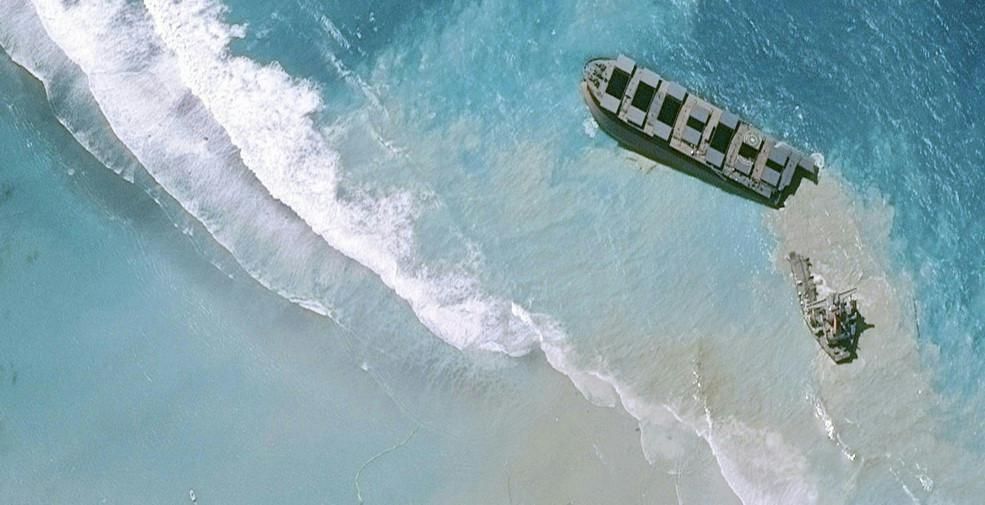
The marine habitat is facing a serious and sustained threat from pollution and human activities, impacting the ocean health. Thanks to our tailored tasking capabilities, we support pollution detection, monitoring and tracking, helping to clean the world’s oceans. Our very high-resolution EO satellite constellation allows the detection of fishing nets or unusual sea turbidity in the ocean, providing fresh information and decision support for the team at sea.
Wildlife & biodiversity
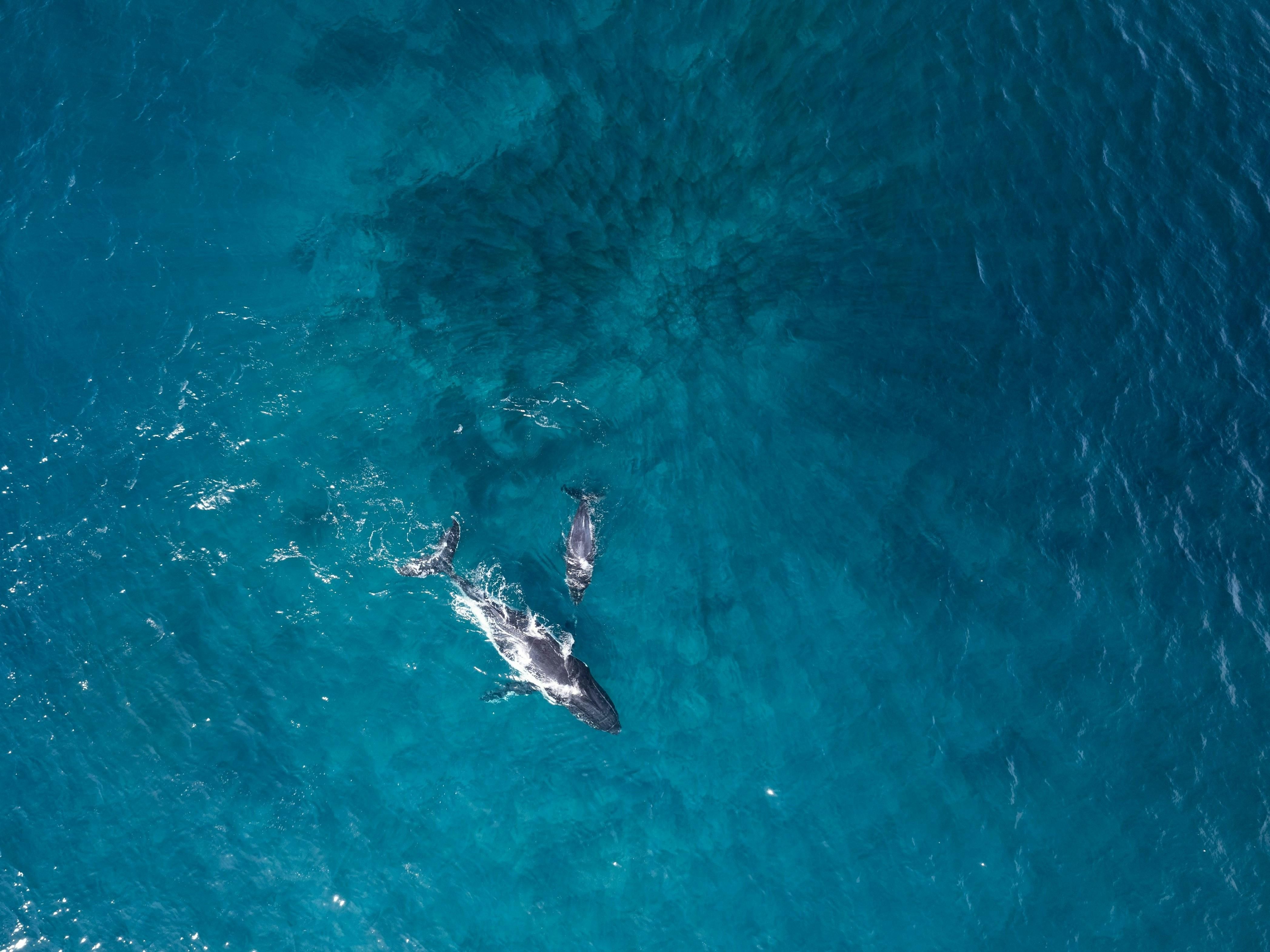
Marine ecosystems worldwide are facing increasing pressures and disturbances, leading to their widespread degradation. Optical remote sensing has become a common method to map and monitor coastal benthic habitats. Thanks to its very high-resolution and its Deep Blue band, Pléiades Neo helps supporting protected marine areas and wildlife conservation, such as coral reefs monitoring or marine animals identification.
Blue economy
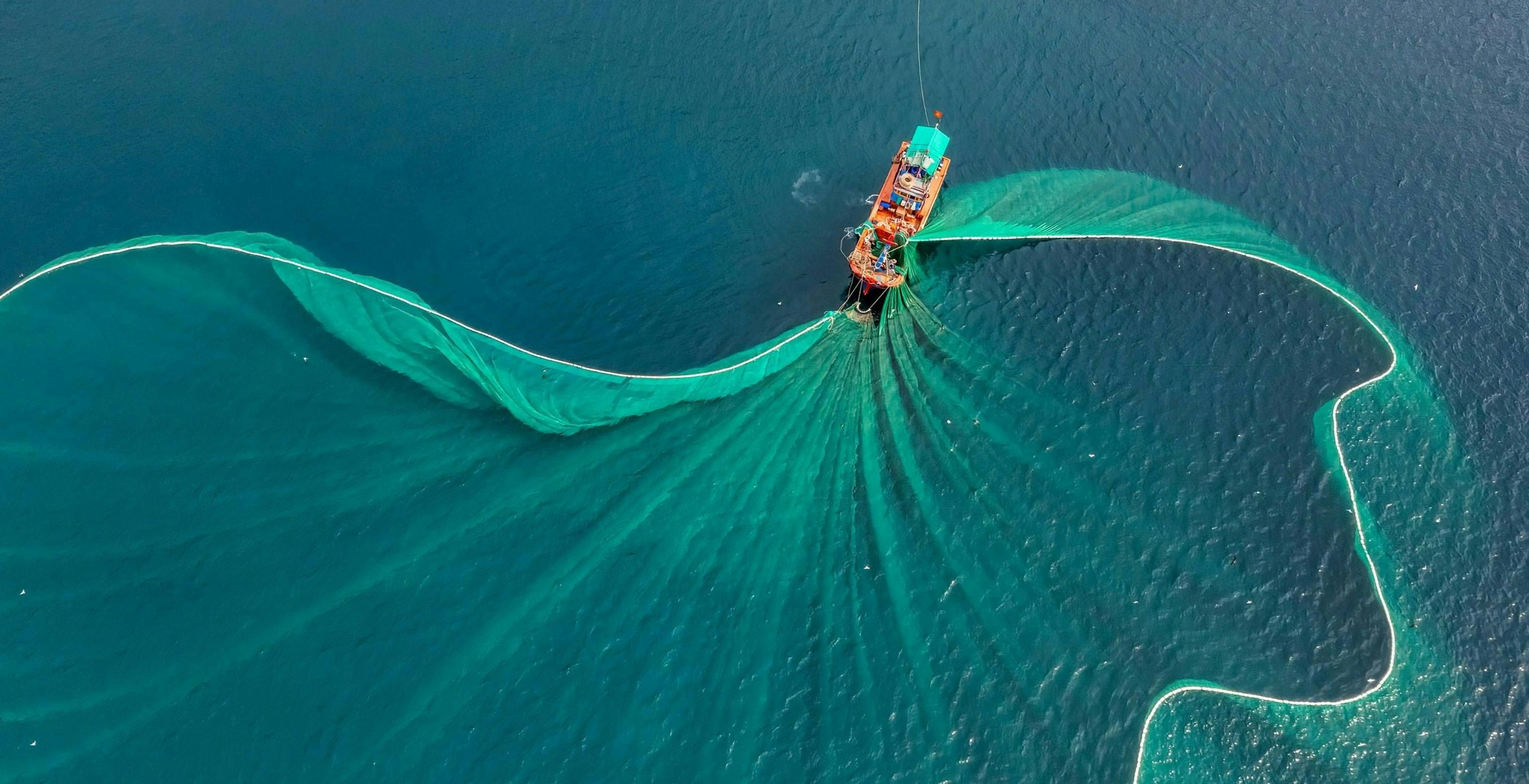
Protecting sustainable fishing and supporting commercial activities stands as a crucial endeavor for the preservation of marine ecosystems and the protection of a nation's maritime resources. Safeguarding countries’ fishing rights against illegal activity is a challenge in itself. Airbus optical and radar high-precision imagery provides essential data to support effective fishery management and combat illegal fishing activities.
Climate change
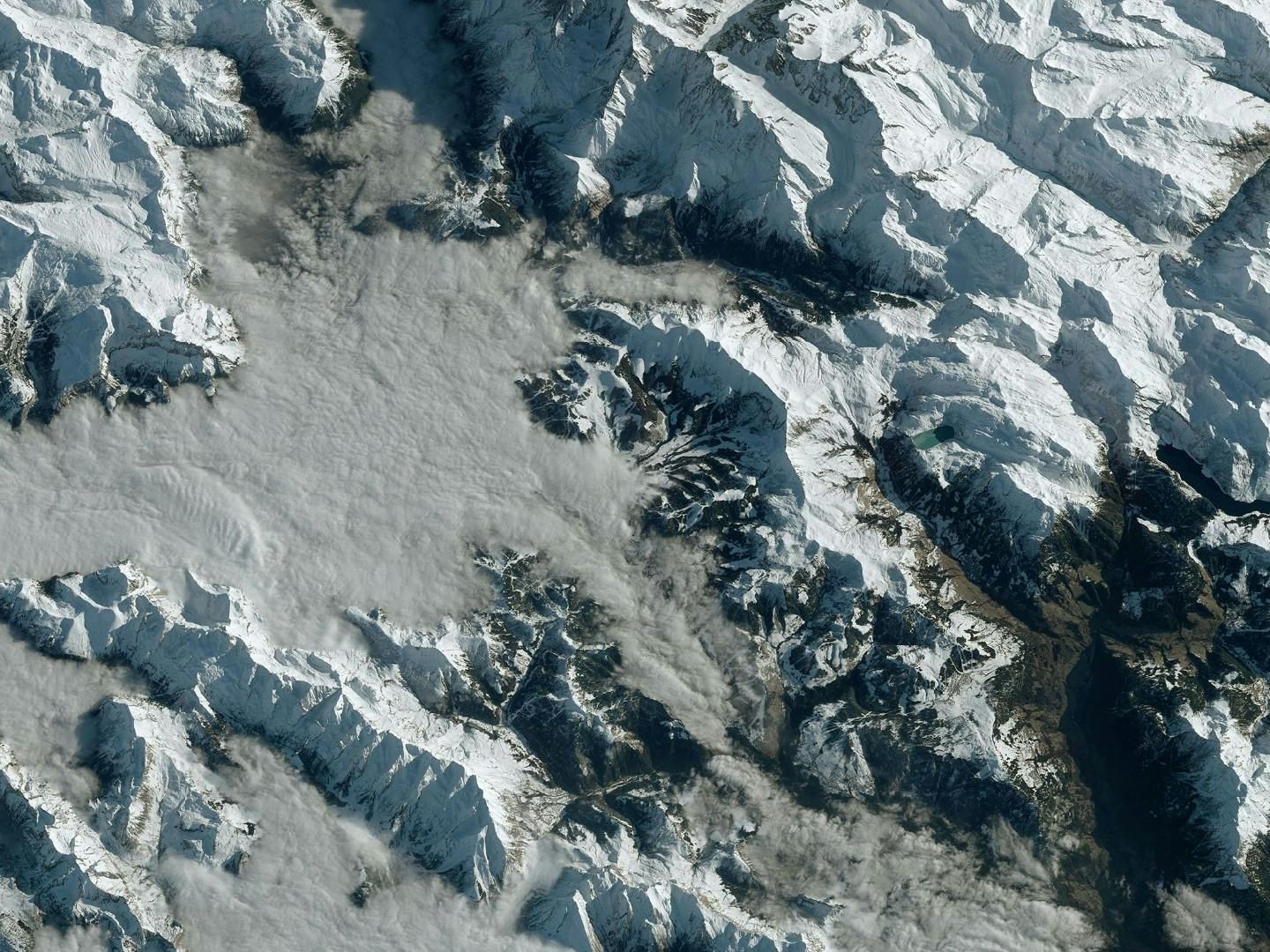
In the recent years, the understanding of the broader effects of climate change on the maritime domain have significantly increased. Satellite imagery and intelligence can provide indisputable evidence and data of the changes taking place. Airbus and its WorldDEM™ Neo or Elevation products offers highly detailed and accurate height information enabling better analysis of changes to potential hazard zones and impact to infrastructure.
Want to set up a project focusing on oceans using satellite images?
Reach out to our teams to express your needs and we will be happy to provide you with more information.
What our customers say
Coordination with the Airbus Tasking Team was a key factor in the success of our project, which combined programming, algorithms and navigation. This experience makes it possible to consider many new ways of improving the detection of offshore plastic.

Bruno Sainte Rose
Fluid Mechanic Expert
Satellite capacities support monitoring, prevention and optimisation of targeting. They are essential to manage cost-efficiency of maritime means.

Navy Lieutenant Sébastien Badel
Programmes Officer for the Navy
The UMR Espace-Dev collaborates with the University of Réunion, the only European university in Indianoceania and the IRD (Institut de Recherche pour le Développement). Earth Observation Science (Espace-Dev) specialises in expertise in remote sensing, signal processing, geomatics, environmental geography and GIS, oceanography and climatology. The research conducted by Espace-Dev primarily focuses on the geography of coastal, island, tourism and health territories, whilst also encompassing in anthropology, environmental law and botany.

Espace Dev